
Market Peptides
Public Safety Alert: The Risks of Unregulated and "Research Use Only" Peptides
GLP Injection operates as a licensed national telehealth clinic staffed by board-certified physicians. As interest in metabolic therapies grows, there has been a notable increase in unverified online vendors selling unregulated compounds. It is important for consumers to understand the risks associated with purchasing unregulated peptides from unauthorized sources. This page provides information to help distinguish legitimate medical treatments from hazardous, unapproved substances.
Understanding Unregulated Peptides
Many online entities operate outside of standard health regulations and medical oversight. To bypass safety protocols, these vendors often label products with warnings such as:
- For Research Only
- Not for Human Use
- Chemical for Laboratory Research
These labels indicate that the substance has not been certified, purified, or approved for human administration. Utilizing products marked for research use only outside of a controlled laboratory setting bypasses essential consumer safety protections.
Risks of Unregulated Global Imports
A significant portion of unregulated peptides are manufactured in facilities that may not adhere to strict safety protocols. These products are often imported and repackaged for sale without proper oversight.
Safety Concerns
Regulatory bodies, such as the U.S. Food and Drug Administration (FDA), monitor and take action against entities distributing unapproved peptide products. Independent testing of unregulated vials has revealed several dangerous issues:
- Contamination: Lack of sterile environments can lead to the presence of heavy metals, bacteria, or toxic byproducts.
- Inaccurate Potency: Vials may contain significantly different dosages than what is listed on the label.
- Substituted Substances: Vendors may substitute unrelated chemicals to reduce costs.
Injecting unverified or unsterile chemicals can lead to serious health complications, including infections, systemic toxicity, or organ damage.
Medical Standards: Licensed and Regulated Care
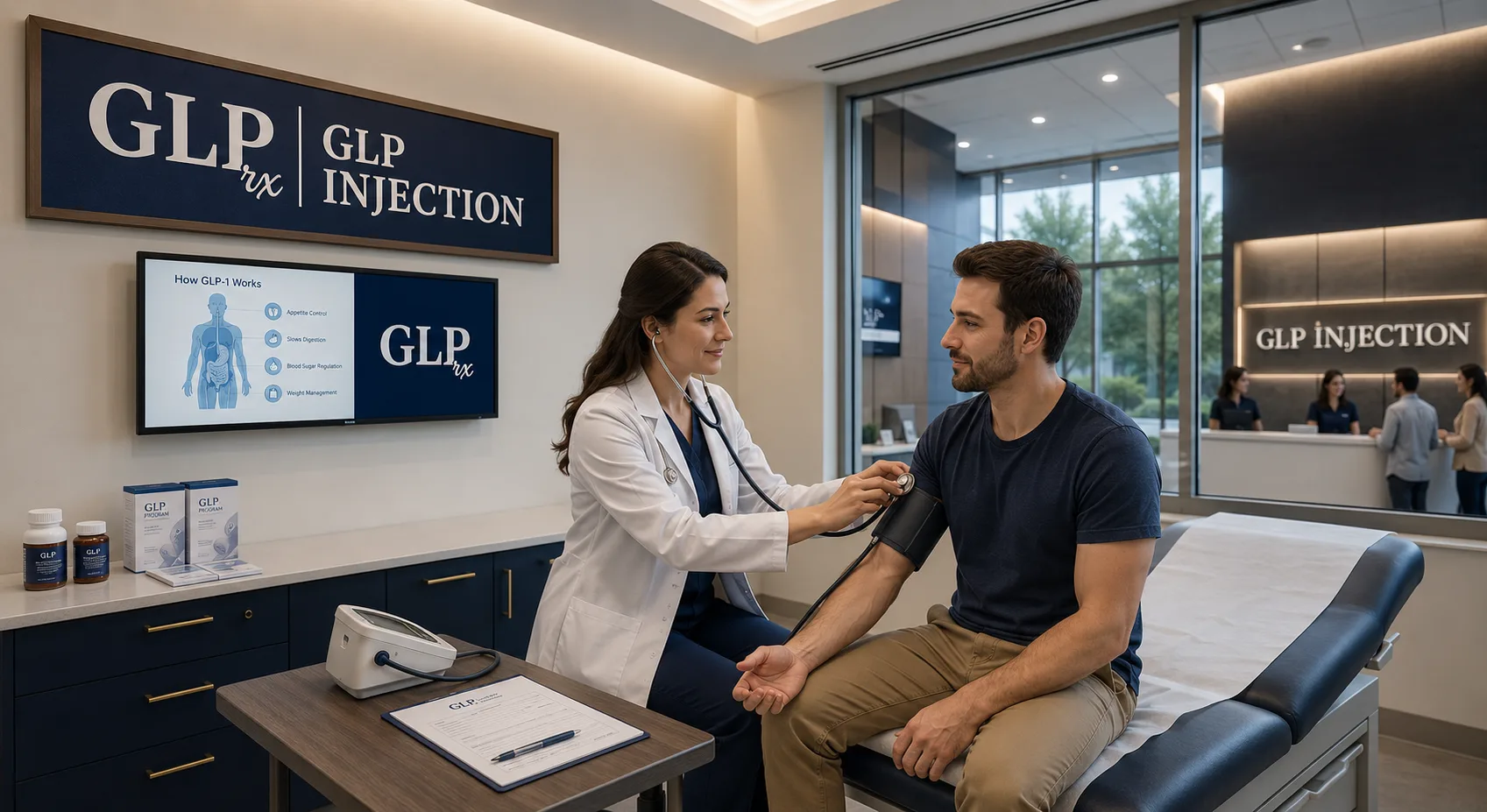
Licensed clinics prioritize patient safety by providing a medically supervised environment that adheres to legal standards.

Physician Oversight
Treatment protocols are reviewed and monitored by licensed physicians who evaluate an individual’s medical history.

Regulated Compounding Pharmacies
Legitimate clinics partner with state-licensed compounding pharmacies that follow rigorous quality control standards.

Quality Verification
These pharmacies are required to meet federal and state guidelines, ensuring batches are tested for purity, potency, and sterility.
Establishing Safe Medical Care
Accessing safe and effective therapy involves following established legal and medical channels:
1
Medical Evaluation
A thorough review of medical history and a consultation with a licensed provider are necessary steps.
2
Professional Consultation
Licensed healthcare providers determine the appropriateness of a treatment based on clinical health markers.
3
Pharmacy-Certified Medication
Once a prescription is issued, medication is prepared by a regulated pharmacy and delivered with the necessary medical supplies for safe use.
Following these professional standards helps protect individuals from the hazards of unregulated research chemicals.